Vani Could Become a Centre for Archaeological Education
Maia Bitadze proposed linking archaeological research, laboratory work and specialist training.
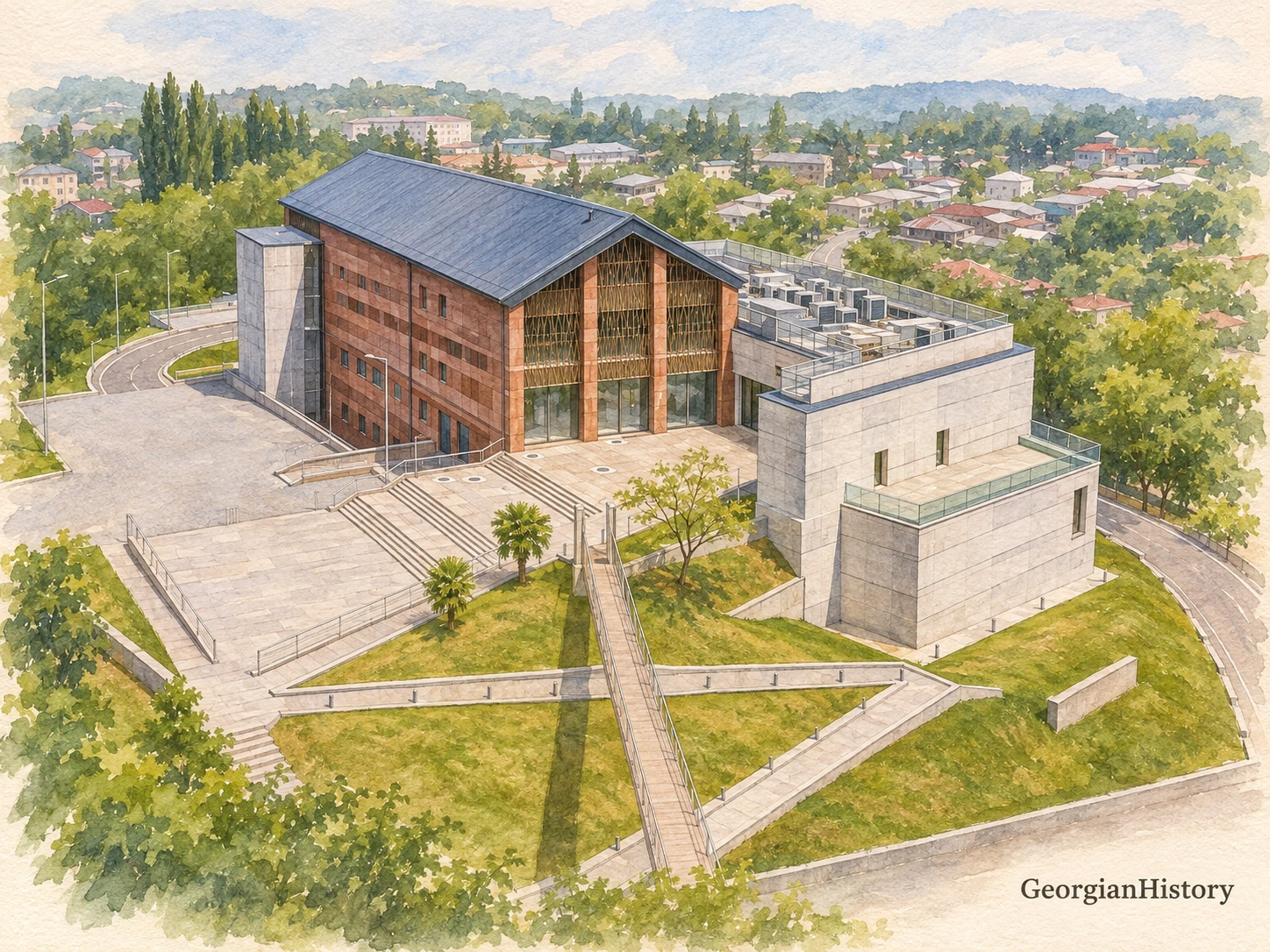
 Georgia’s Minister of Culture, Maia Bitadze, visited the Otar Lortkipanidze Archaeological Museum-Reserve in Vani on 5 November 2026. Beside the archaeological site of ancient Colchis, she proposed developing archaeological education through museums. Bitadze said Vani could become a place where future specialists learn how to work with archaeological finds and new generations gain a deeper understanding of their country’s history.
Bitadze proposed a national system bringing together archaeological research, laboratory work, professional education and practical training. She stressed the need to develop laboratories where finds can be studied, analysed, processed, restored and conserved. The timing and funding of the initiative remain open.
The Vani Museum already has a foundation for this work. It was founded in 1985 at the initiative of the archaeologist Otar Lortkipanidze, who led the Vani expedition. Research laboratories, teaching rooms and a library were fitted out in the renovated museum building in 2020.
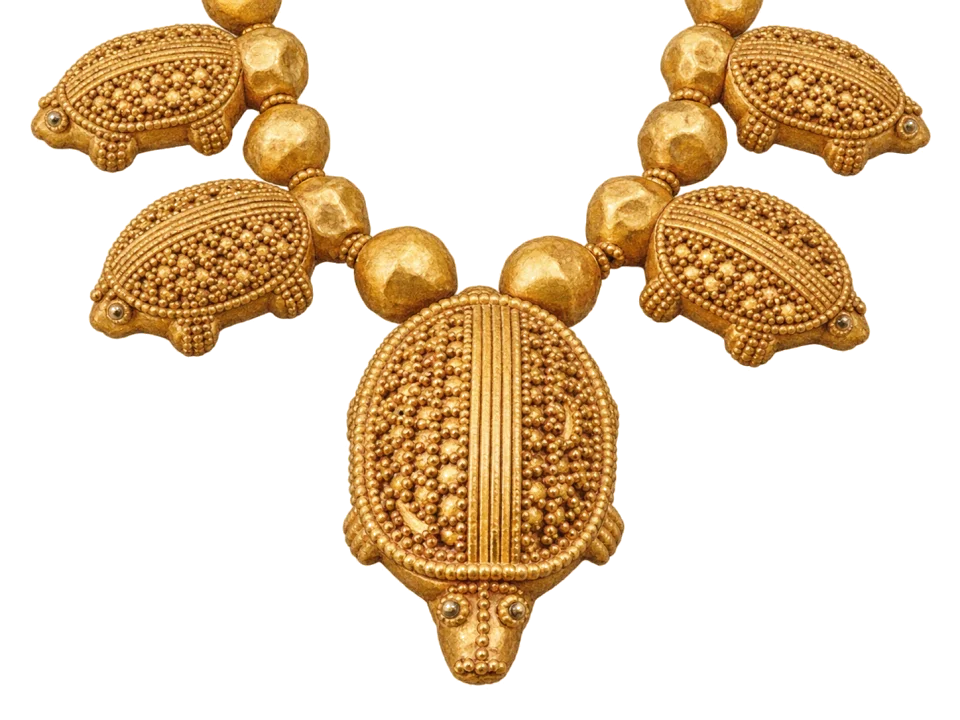
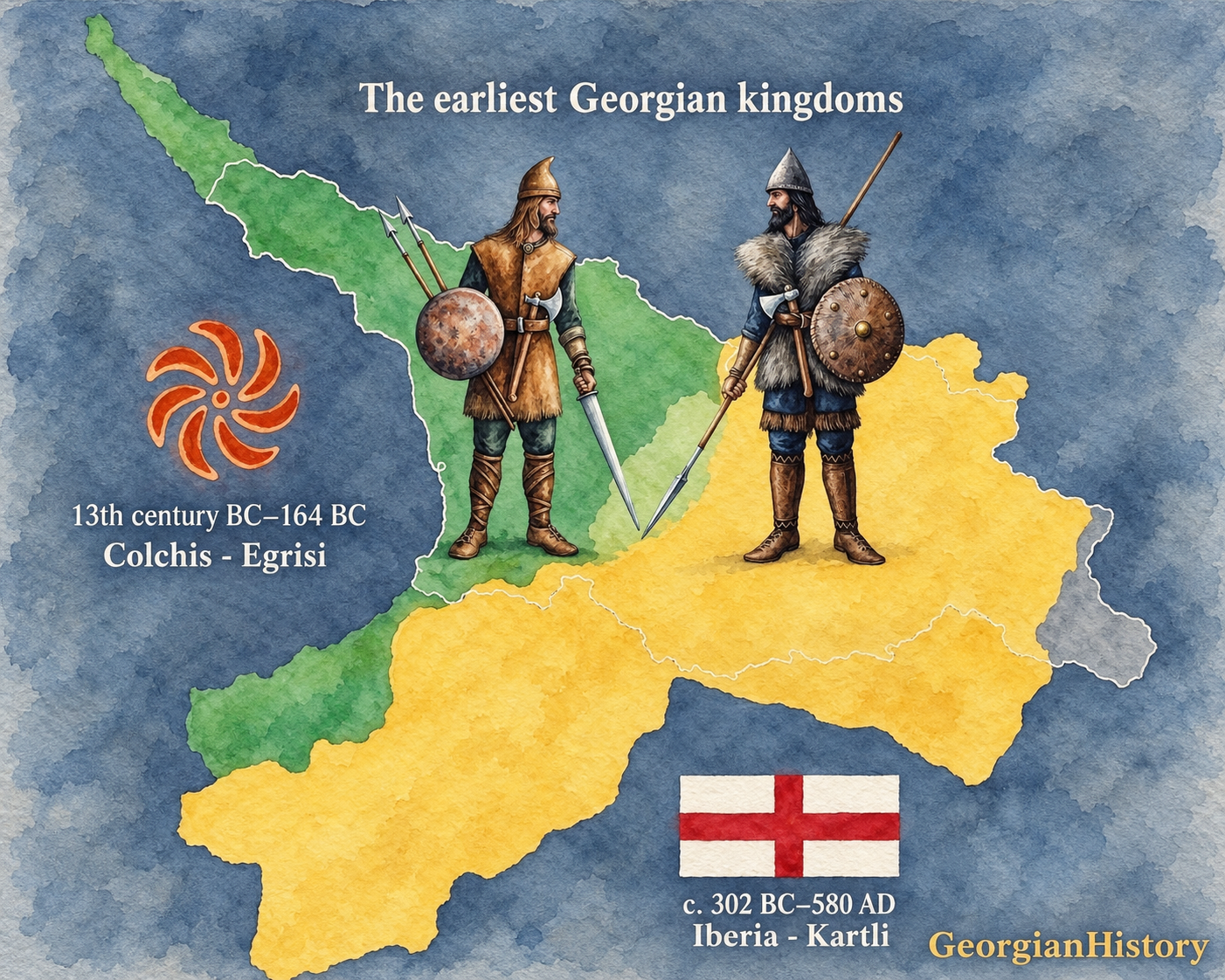
The archaeological site at Vani preserves traces of one of the most important centres of ancient Colchis. Excavations here have uncovered locally made gold jewellery, bronze sculptures and imported Greek pottery. Vani’s gold shows the skill of Colchian goldsmiths, while painted vessels bear witness to ties with the Greek world. The museum’s proximity to the site makes it possible to show the path of a find from the archaeological layer in which it was discovered to the laboratory and the museum display case.
Sources and further reading
- Office of the State Representative in Imereti. The minister’s visit to the Vani Archaeological Museum, 5 November 2026
- Rustavi 2. Maia Bitadze’s statement on archaeological education, 5 November 2026
- Ministry of Education of Georgia. Renovation of the Vani Archaeological Museum, 25 October 2020
- Vani Municipality. History of the museum and archaeological site
- UNESCO World Heritage Centre. Description of the Vani archaeological site on the Tentative List
- Georgian Journal. Photograph of the museum used as a reference for the illustration