From David the Builder to Queen Tamar
The Golden Age was a time of military victories, political influence, and remarkable cultural flourishing.
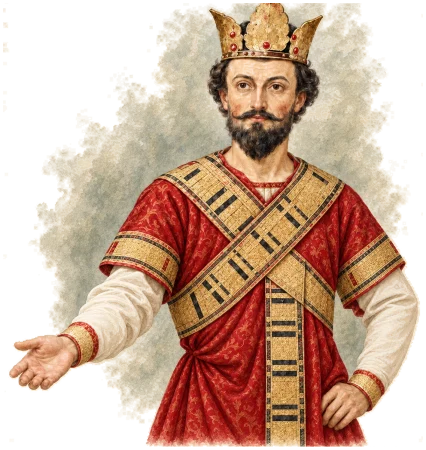
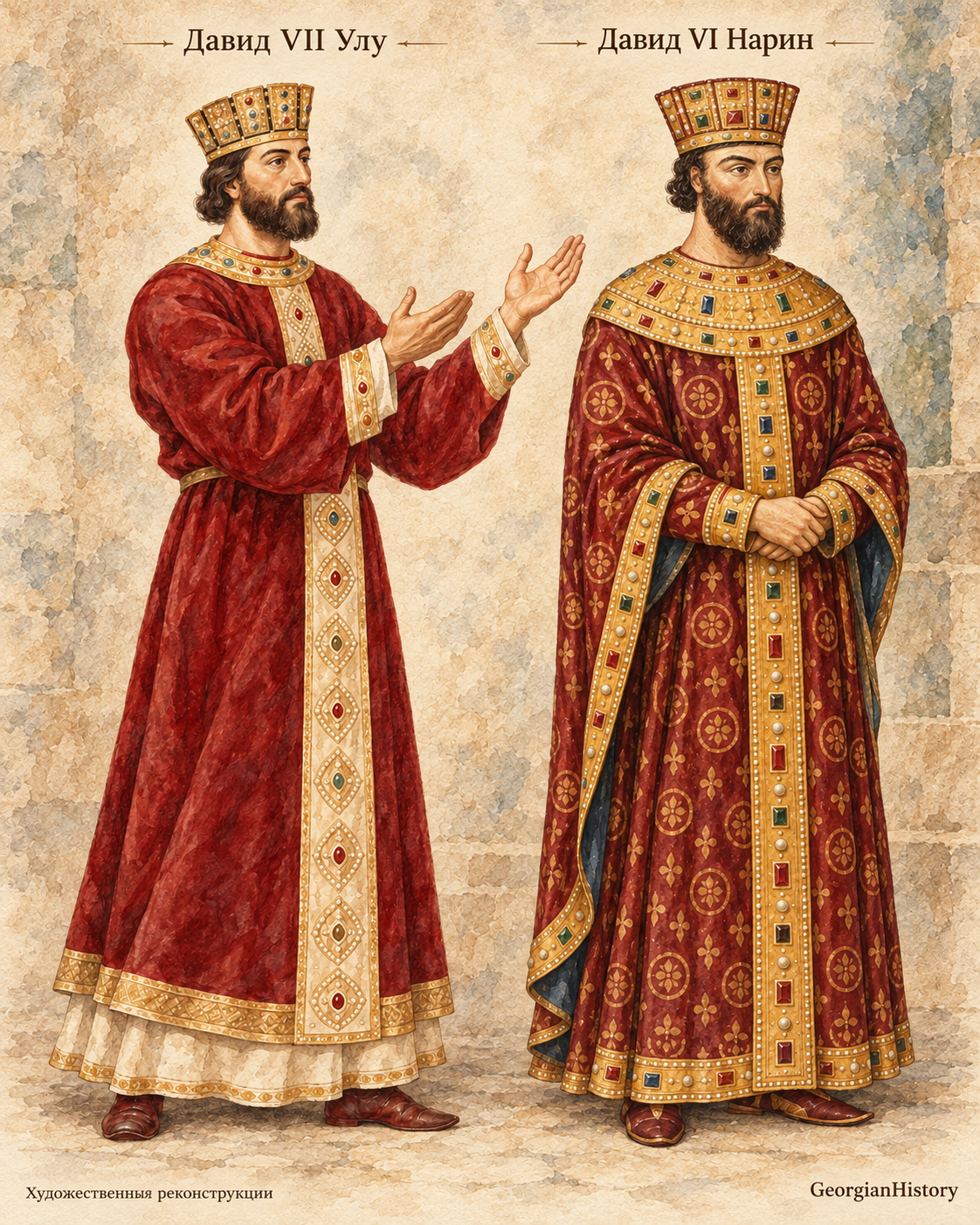
 By the end of the eleventh century, the Kingdom of Georgia was going through a difficult period. David IV, known to history as the Builder, began to strengthen royal authority, reorganise the military and recover lands where the king’s power had weakened. His reign marked a turning point for the whole region.
The victory at Didgori in 1121 and the restoration of royal control over Tbilisi in 1122 marked a new stage. David’s work also extended beyond warfare. In 1106, he founded Gelati Monastery near Kutaisi. An academy operated at the monastery, making it one of the foremost intellectual centres of medieval Georgia.
Power and culture
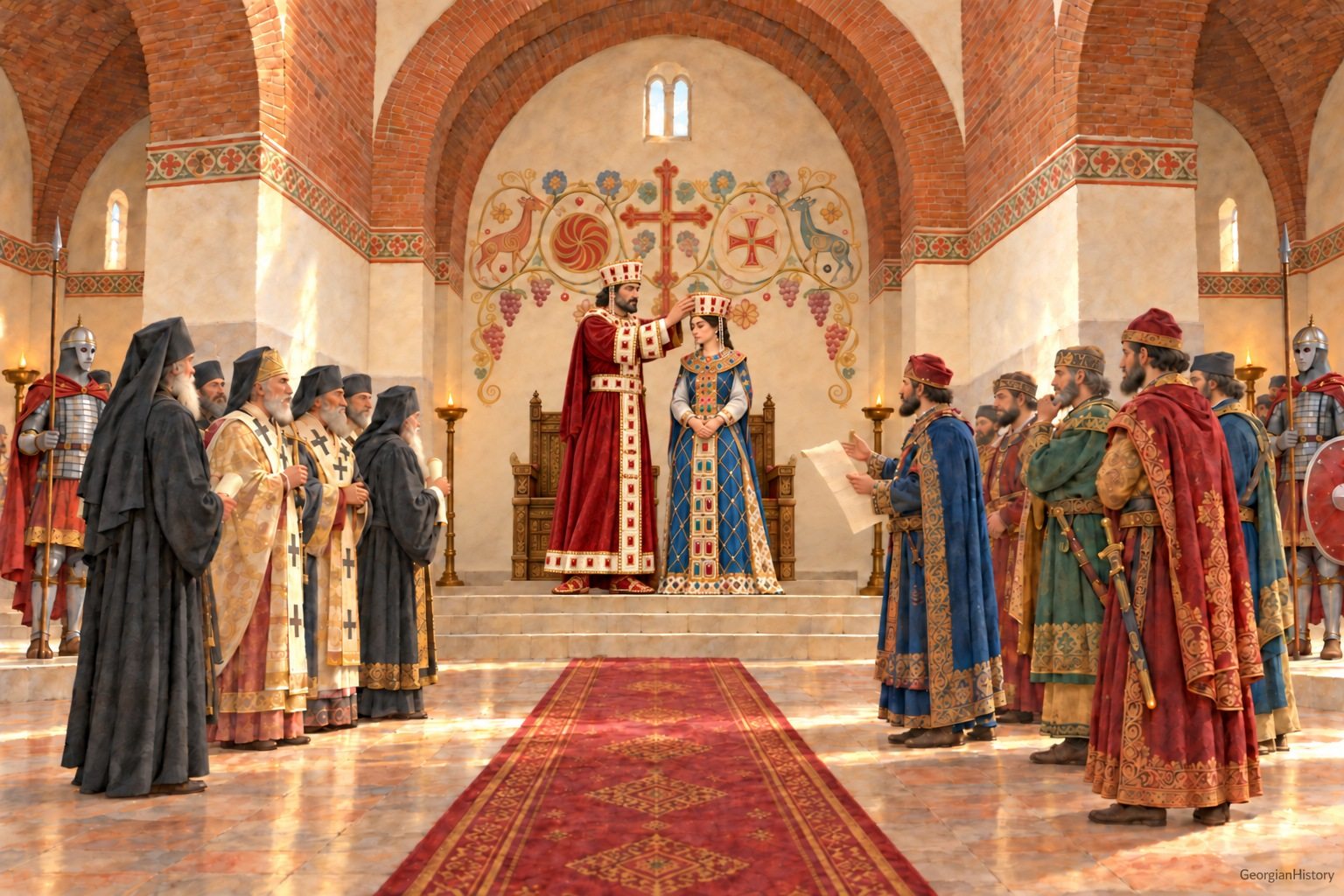
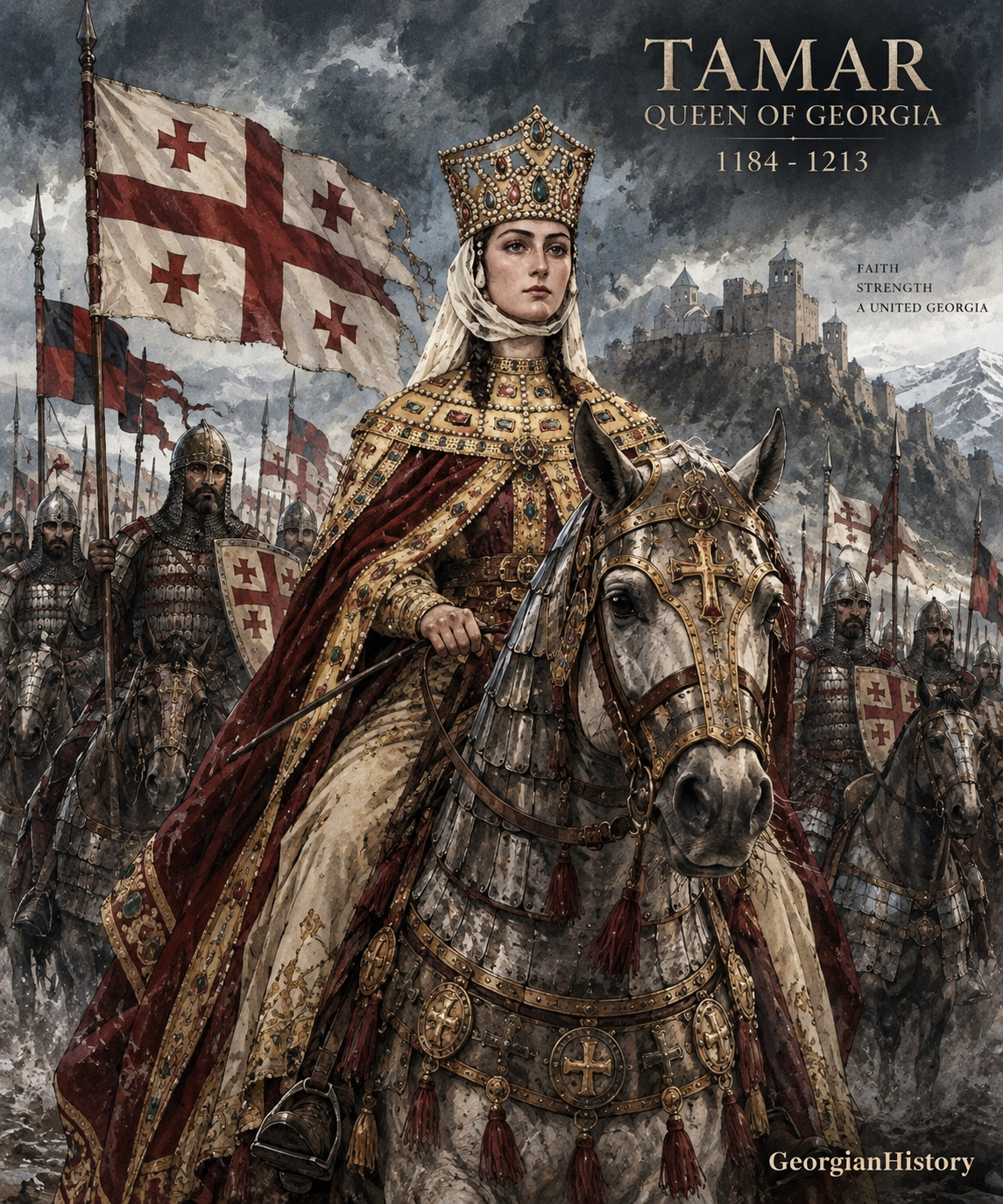
In Tamar’s reign, Georgian political influence reached new heights. Powerful commanders and leading princely houses were active at court, and the kingdom’s ties extended far beyond its borders. Literature, architecture, book culture and ecclesiastical culture flourished at the same time.
The term ‘Golden Age’ conveys the scale of these achievements while leaving room for the difficulties of the period, including rivalries between noble houses, tense relations with neighbours and the burden of military service. The monuments and victories owed much to the work of many people, from artisans and scribes to the farmers who sustained the kingdom’s economy.
Gelati survives as one of the most eloquent witnesses to this period. Its architecture, mosaics and paintings recall how the history of medieval Georgia encompasses both state power and intellectual endeavour.
Why crisis followed the high point
The Golden Age did not end with a single event. The first clashes with the Mongols in 1220–1221, the wars with Jalal al-Din and the conquest of the 1230s were distinct stages. Following them in sequence helps explain how the kingdom lost its former capabilities.
The history of institutions, the economy and culture matters alongside the account of military victories. The article on the army explains where the kingdom’s military power came from. The article on Gelati considers the role of royal patronage in education and the production of books.
 All journal maps →