Under the Royal Banner: How Georgia Mustered Its Army
Behind the armoured rider stood land, livelihoods, and people. A royal summons set in motion a system of loyalties, duties, and authority.
Land and royal authority
 When Bagrat III died in 1014, his son George inherited the crown of a united kingdom. With it came a difficult task: bringing together lands with their own rulers, fortresses and armed men. The ruler’s real power depended on who commanded those men and where their loyalties lay.
Unification, for which 1008 was a major turning point, did not immediately encompass all the Georgian lands. Tbilisi remained outside royal administration, and Byzantium ruled part of the south-west. Kakheti and Hereti, which Bagrat had subdued, regained their independence after his death. Inheriting the throne therefore did not by itself give his successor full control over the country’s military forces.
Land underpinned this system. Its revenues paid for the upkeep of a warhorse, the purchase of armour, the arming of a retinue and the accumulation of provisions. Behind every well-equipped horseman stood an estate capable of paying for his service. When villages were devastated, revenues fell, followed by losses of men, horses and the means to continue fighting.
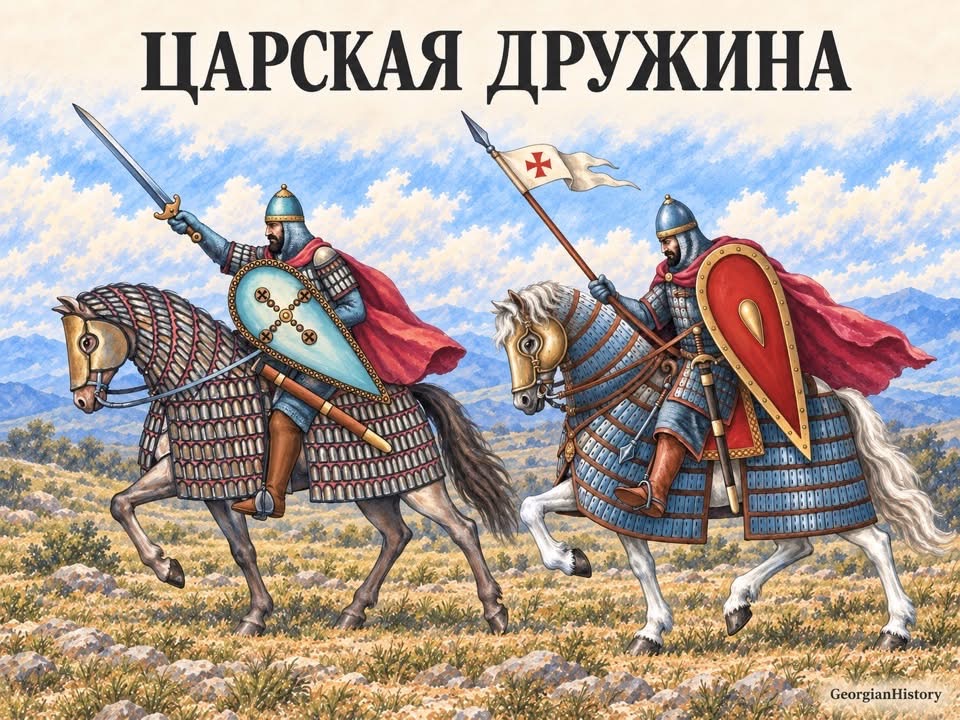
The king drew on his own holdings, his court and warriors directly attached to him. His immediate circle gave him his most dependable military support. A major campaign, however, required troops from the provinces and leading noble houses. They came with their own commanders and retained personal ties and obligations to them. Assembling such an army, supplying it and keeping it under a single command was a political task in its own right.
Eristavis, aznaurs and the great houses
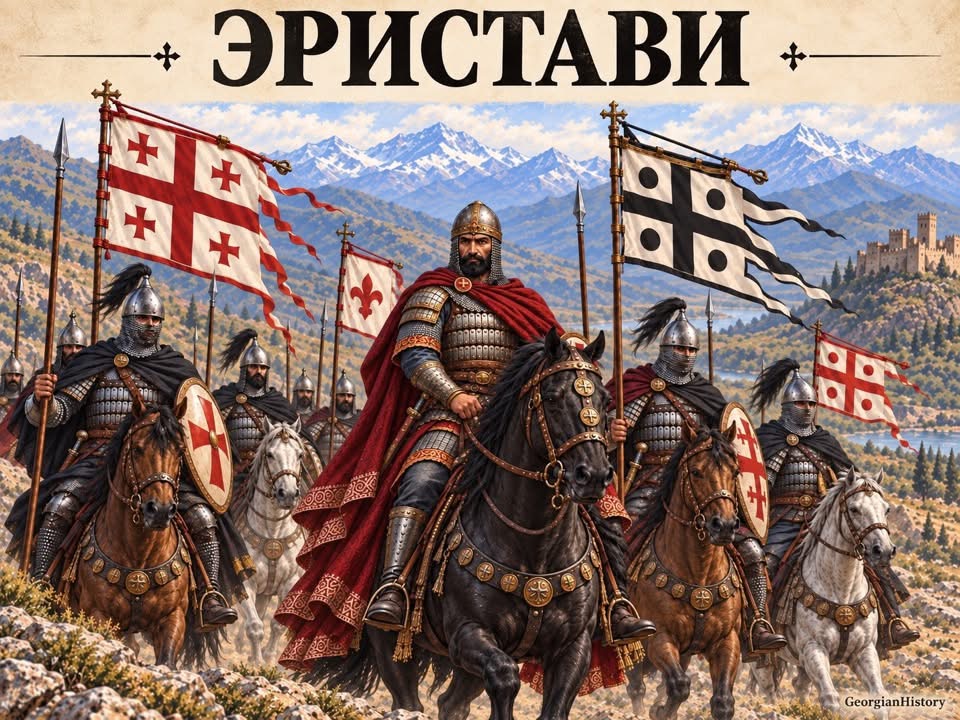
The eristavis, provincial governors with military powers, held an important place. They took part in territorial administration and commanded local forces. Powerful families sought to keep offices and the lands attached to them in their own houses. Tension therefore arose repeatedly between the king’s right to appoint governors and the effective power of the provincial nobility.
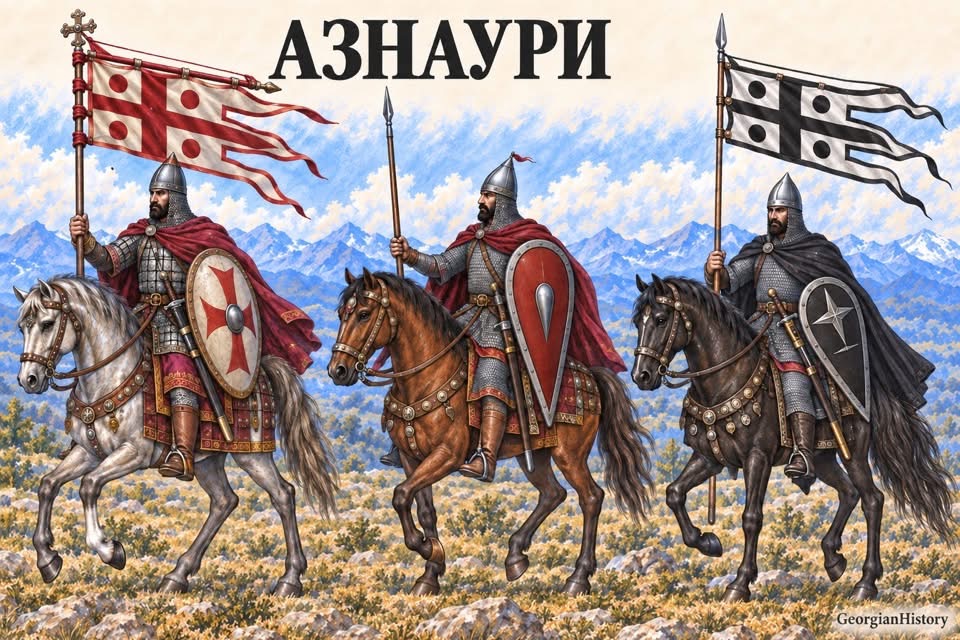
The aznaurs formed a noble class in which military service was a vital part of social standing. In the eleventh century, the word aznaur covered a wide range of positions. It would be misleading to describe all aznaurs as minor knights. Nobles varied in wealth, influence and closeness to the throne. Among them stood the didebulis, members of the highest stratum associated with senior ranks and offices.
Membership of the nobility did not imply a uniform dependence on the king. Some nobles served the ruler directly, while others had closer ties to a powerful provincial lord. This was one of the principal obstacles to centralisation. The king needed to command forces whose everyday livelihood depended on other lords.
This became especially clear under Bagrat IV in his struggle with Liparit IV of Kldekari. A prominent commander with fortresses, followers and Byzantine support could become a dangerous rival to the monarch. The nobles’ military strength helped defend the kingdom, but in civil strife it could turn against the crown itself.
Cavalry, infantry and fortresses
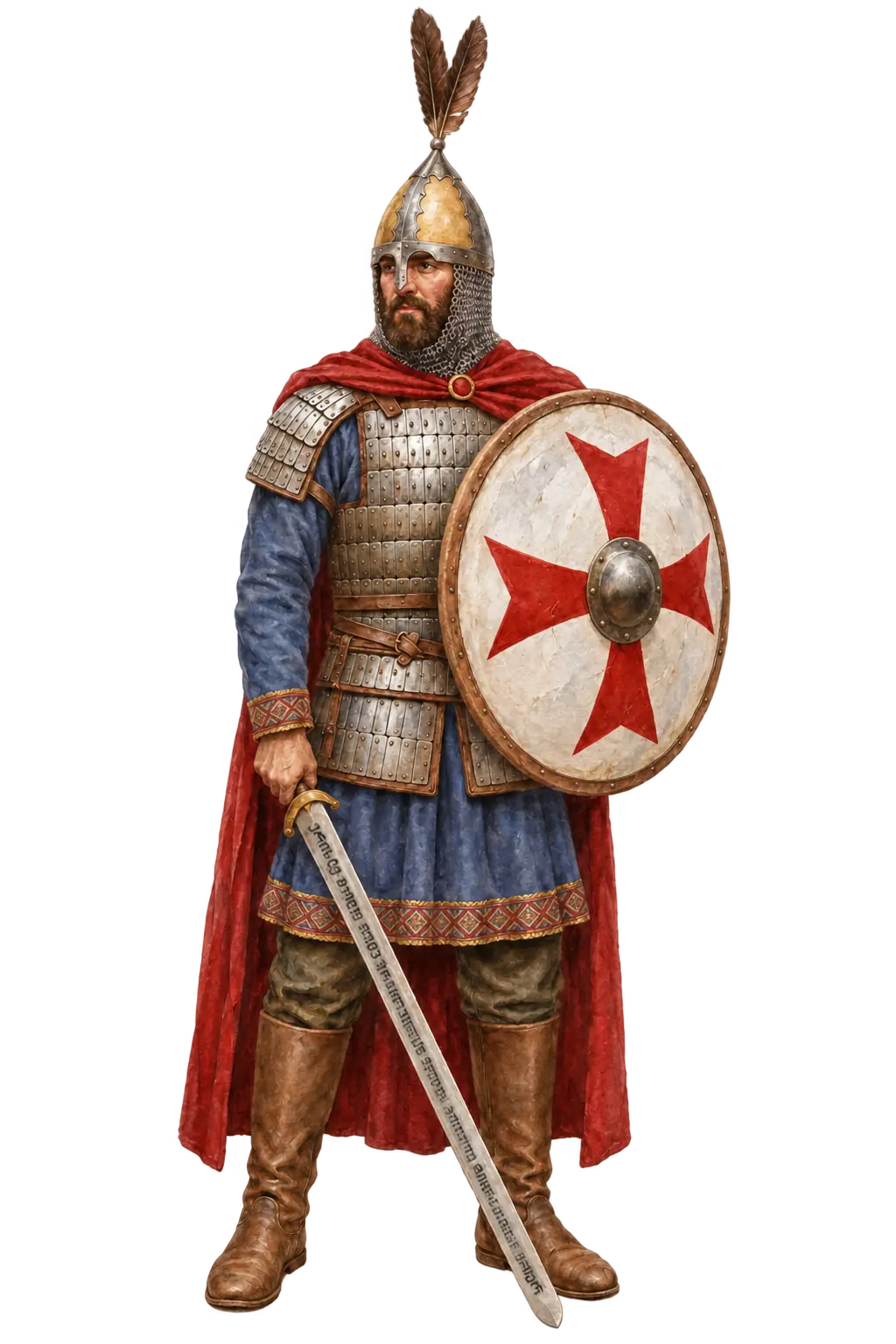
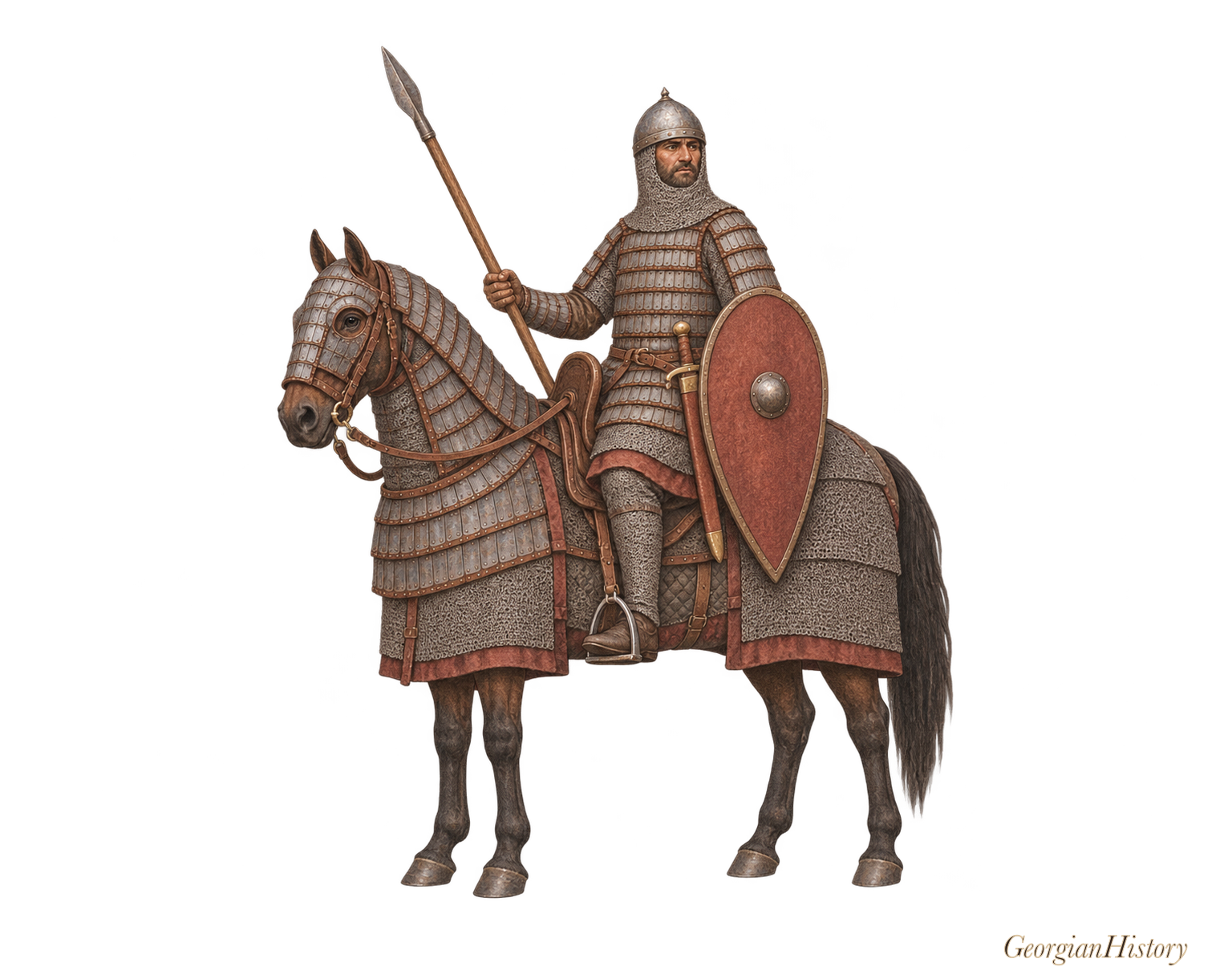
Heavily armed cavalry was one of the army’s main striking forces. Byzantine and Armenian evidence points to well-protected Georgian horsemen and, in some cases, protection for their horses as well. The spear and sword were important in close combat. Such cavalry required expensive equipment, trained men and good horses.
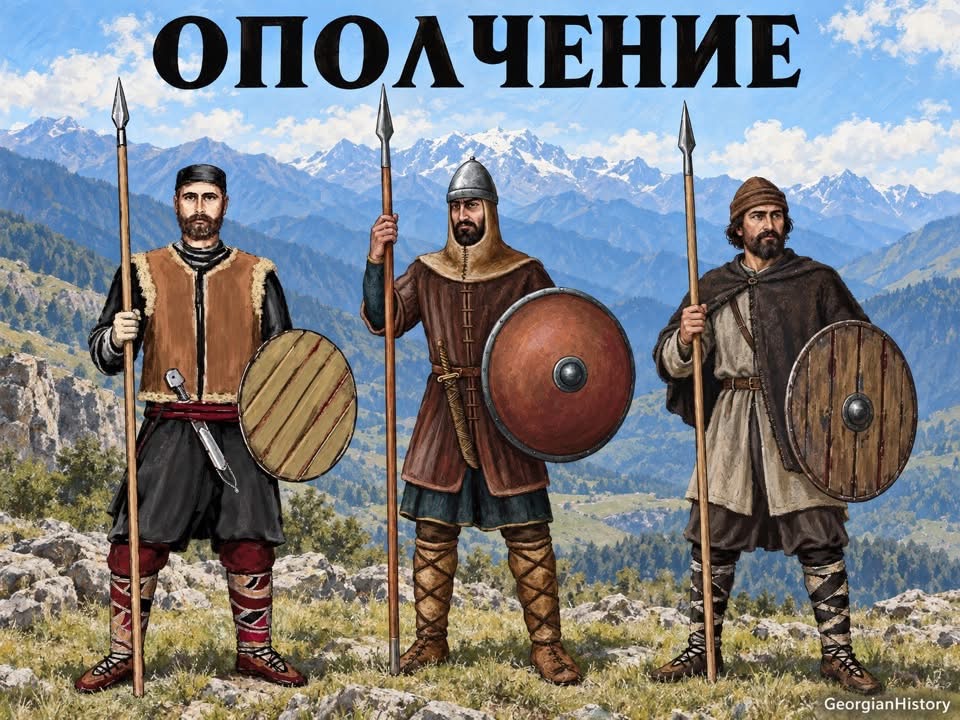
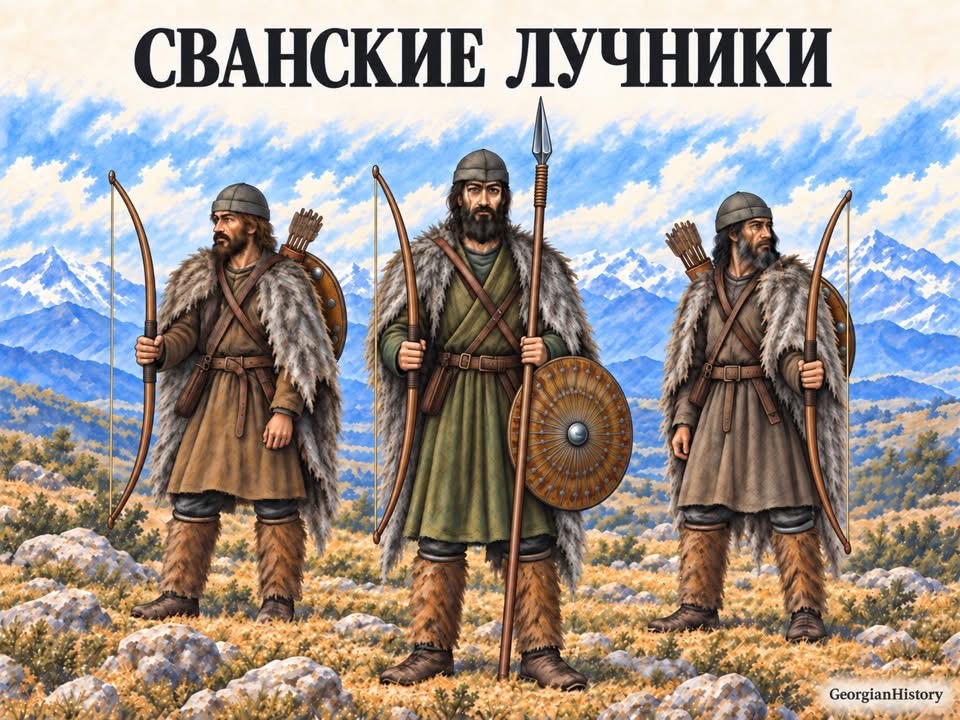
The Georgian lands also had a well-developed tradition of fighting on foot. Sources mention shield bearers who could operate in close formation and foot archers. The united kingdom inherited the military experience of earlier Georgian states. Its capabilities depended on combining cavalry, infantry and missile troops.
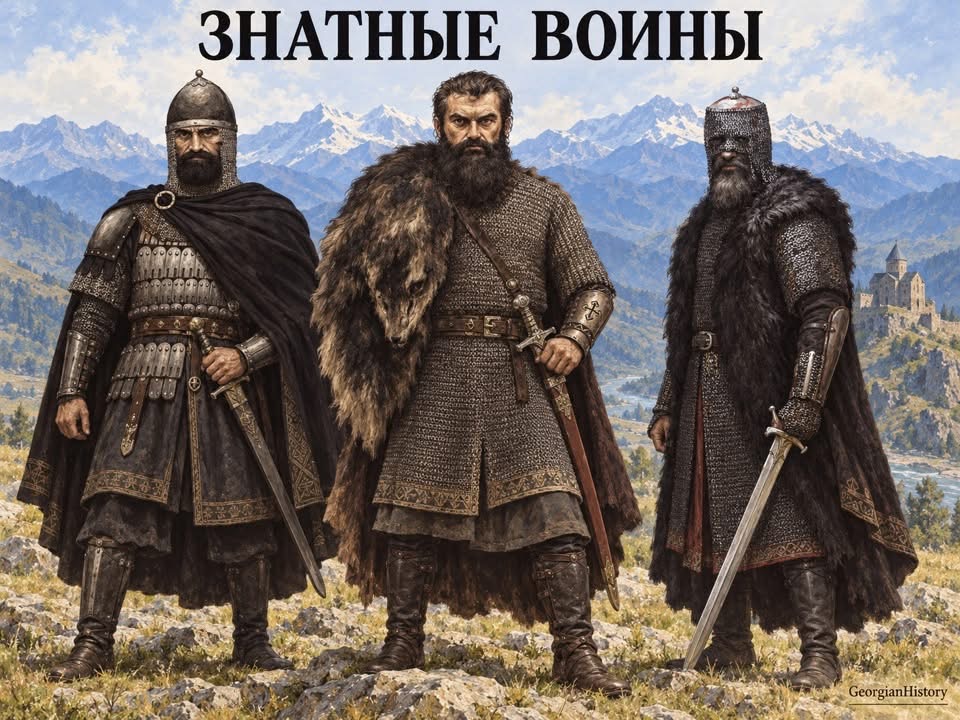
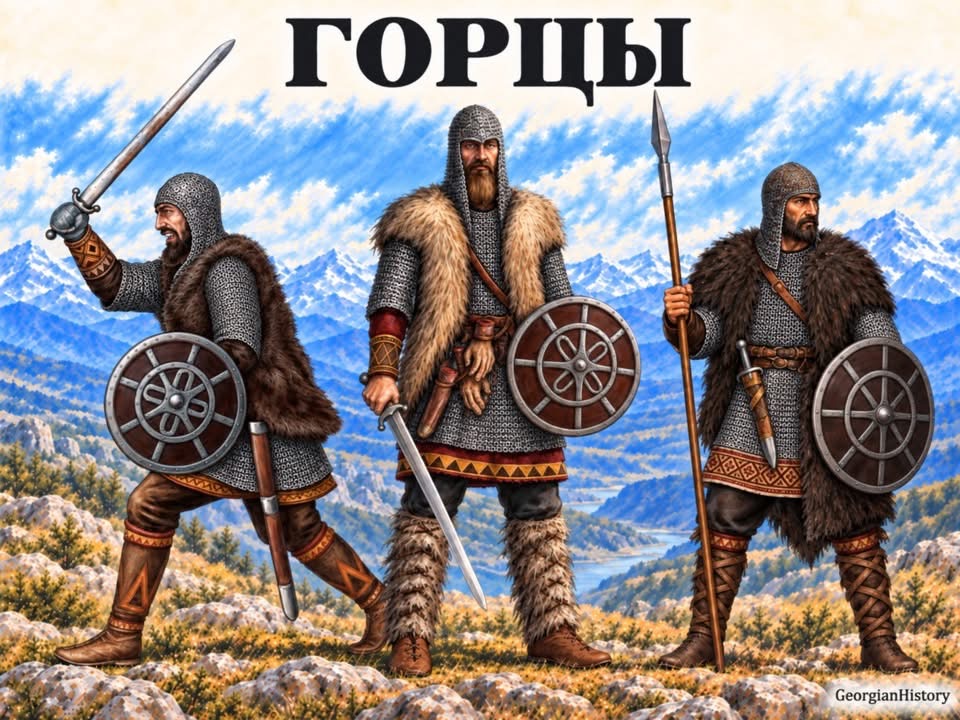
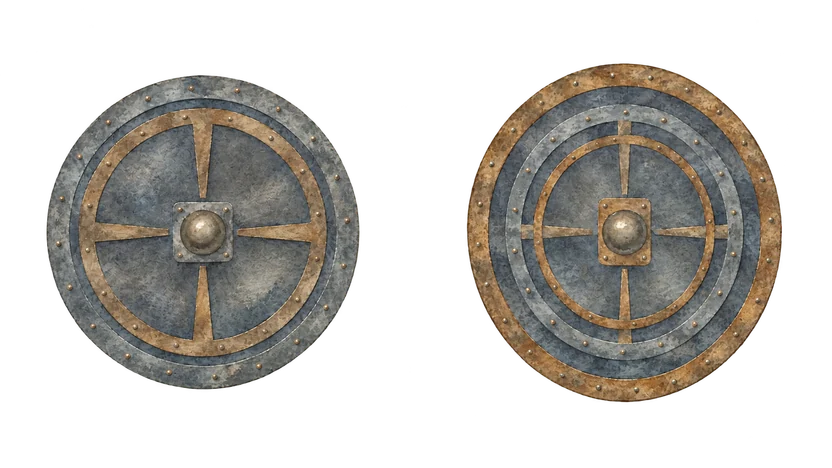
Arms varied according to wealth and the nature of service. Mail, lamellar and scale armour, helmets and shields reflected close ties with the Byzantine and Near Eastern worlds. A wealthy warrior could afford good protection, while less affluent men on campaign carried more modest equipment. There was no standard set of arms for the whole army.
War also required men levied under service obligations and garrisons to hold fortifications. These forces varied in fighting ability. Numbers alone could not quickly substitute for regular service experience and good arms. People who provided food, transport and the upkeep of the economy supported the army even when they did not go to the battlefield themselves.
Mountains gave defenders considerable advantages. Narrow passes restricted enemy movement, and fortresses allowed the defenders to control roads and crossings. Familiarity with the terrain helped them choose positions and lay ambushes. The same terrain, however, made it harder to muster their own forces and aid distant provinces. Holding fortresses and lines of communication was as necessary as winning a pitched battle.
The Church also played a part in the organisation and military support of the state. It held land, upheld the authority of the monarchy and wielded considerable social influence. Research shows that Georgian ecclesiastical estates bore military obligations, and individual members of the higher clergy took part in directing military operations.
Service and martial honour
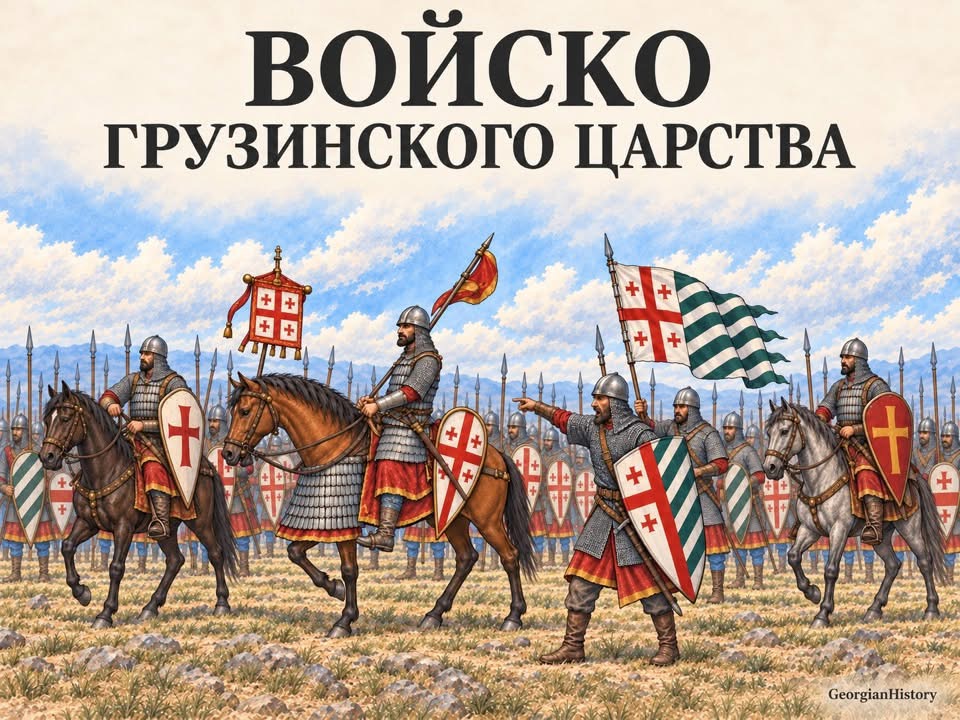
Ideas of martial honour underpinned this organisation. At the king’s summons, contingents gathered from lands subject to him and were to march under a common command. The muster can be described figuratively as a ‘summons of the banners’. Behind every standard stood men, their leader and the obligations that bound them. For the military nobility, taking part in a campaign joined the duty of service with the chance to show valour, affirm loyalty to the ruler and uphold the good name of their house.
In this understanding, answering the king’s summons meant carrying on one’s family’s martial tradition and demonstrating one’s standing in society by action. Nobility implied a willingness to face danger and accept responsibility for one’s men. The muster therefore had a moral significance as well. It tested a loyalty that would later have to withstand the trial of battle. This was an ideal of service. In practice, family interests, rivalries and civil strife often proved stronger.
A comparison between aznaurs and knighthood is useful when discussing the connection between land, noble birth and military service. There is, however, no securely attested uniform written ‘code of the aznaurs’ from the eleventh century. We are dealing with the norms and expectations of the military aristocracy. Nor can the chivalric ideals later expressed in Shota Rustaveli’s poem be applied to Bagrat III’s time without qualification.
Before David’s reforms
The early kingdom had considerable military capabilities, but these had their limits. In 1021–1022, George I faced Emperor Basil II. The war ended with Georgia’s defeat and territorial concessions. It showed how severe a trial a prolonged confrontation could be against a power with extensive resources.
In the second half of the century, Seljuk invasions exposed the country’s vulnerability still further. The devastation of settlements undermined the economy on which military service depended. In these conditions, the kingdom had to protect its population, restore revenues and coordinate its provincial forces at the same time.
When David the Builder took the throne in 1089, Georgia had centuries of military tradition, an experienced nobility and a system of fortifications. The principal difficulty lay in the royal authority’s ability to draw on these assets consistently. This is why the struggle for centralisation was also a struggle to maintain the country’s fighting capacity.
Georgia’s military history before David is the story of how separate sources of power were gradually brought under a single crown. Bagrat III laid the political foundations of that union. His successors had to defend it amid foreign wars and internal disputes. David later embarked on his reforms on this complex foundation already in place.
The people of the army · Illustrations
GeorgianHistory watercolours depict different groups of warriors. The banners and individual details of their arms are artistic interpretations. Their exact appearance in the eleventh-century army is not attested.