The Mongols and Georgia: From First Encounter to Subjugation
Years passed between the Mongols’ first appearance and their conquest of Georgia, bringing further wars, devastation, and a shift in the balance of power.
The first blow
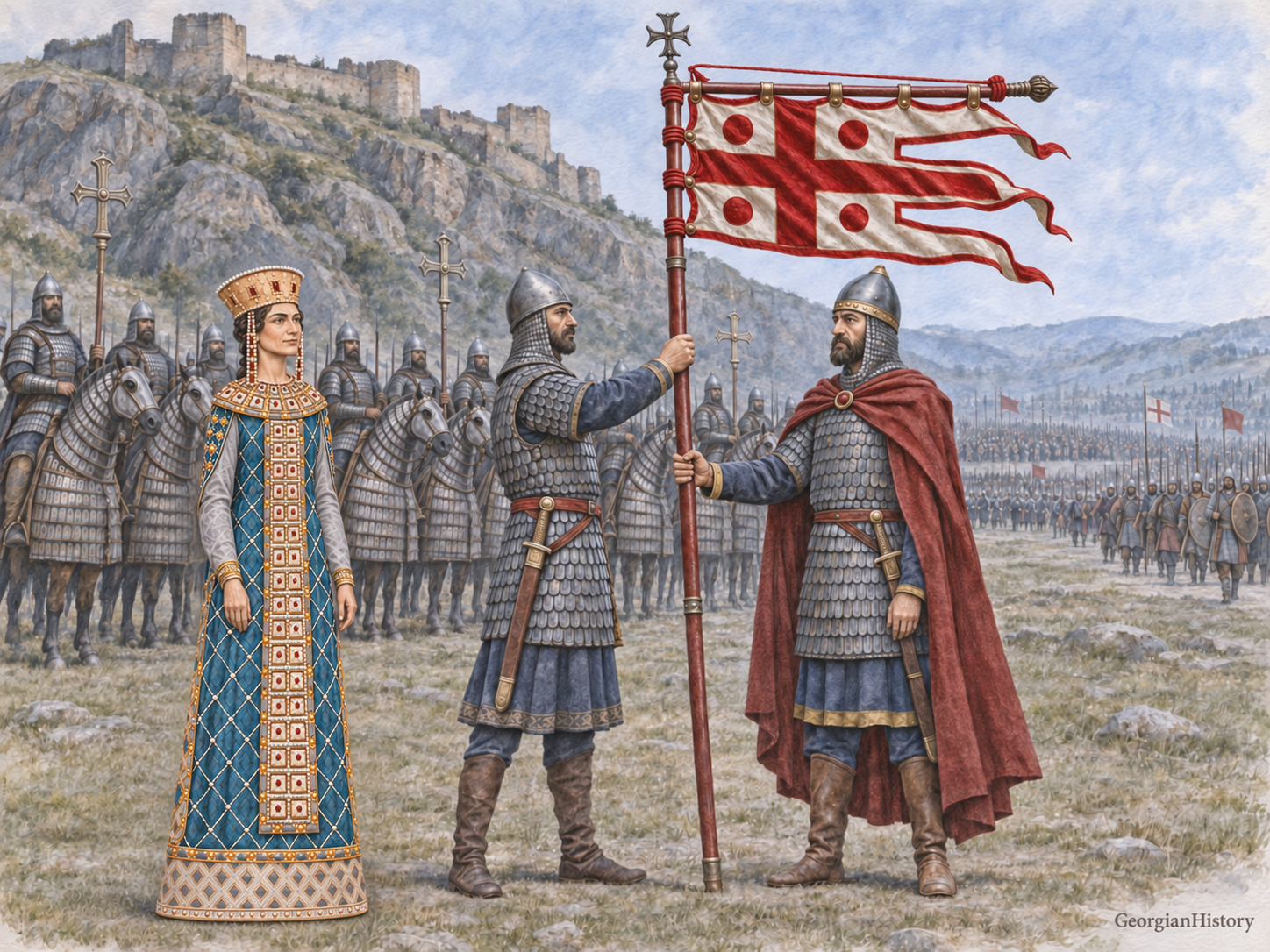
 In 1220–1221, Mongol detachments encountered the forces of the Kingdom of Georgia during the reign of George IV Lasha. This campaign did not yet establish lasting rule. The early raid should be distinguished from the major campaign of conquest in the 1230s.
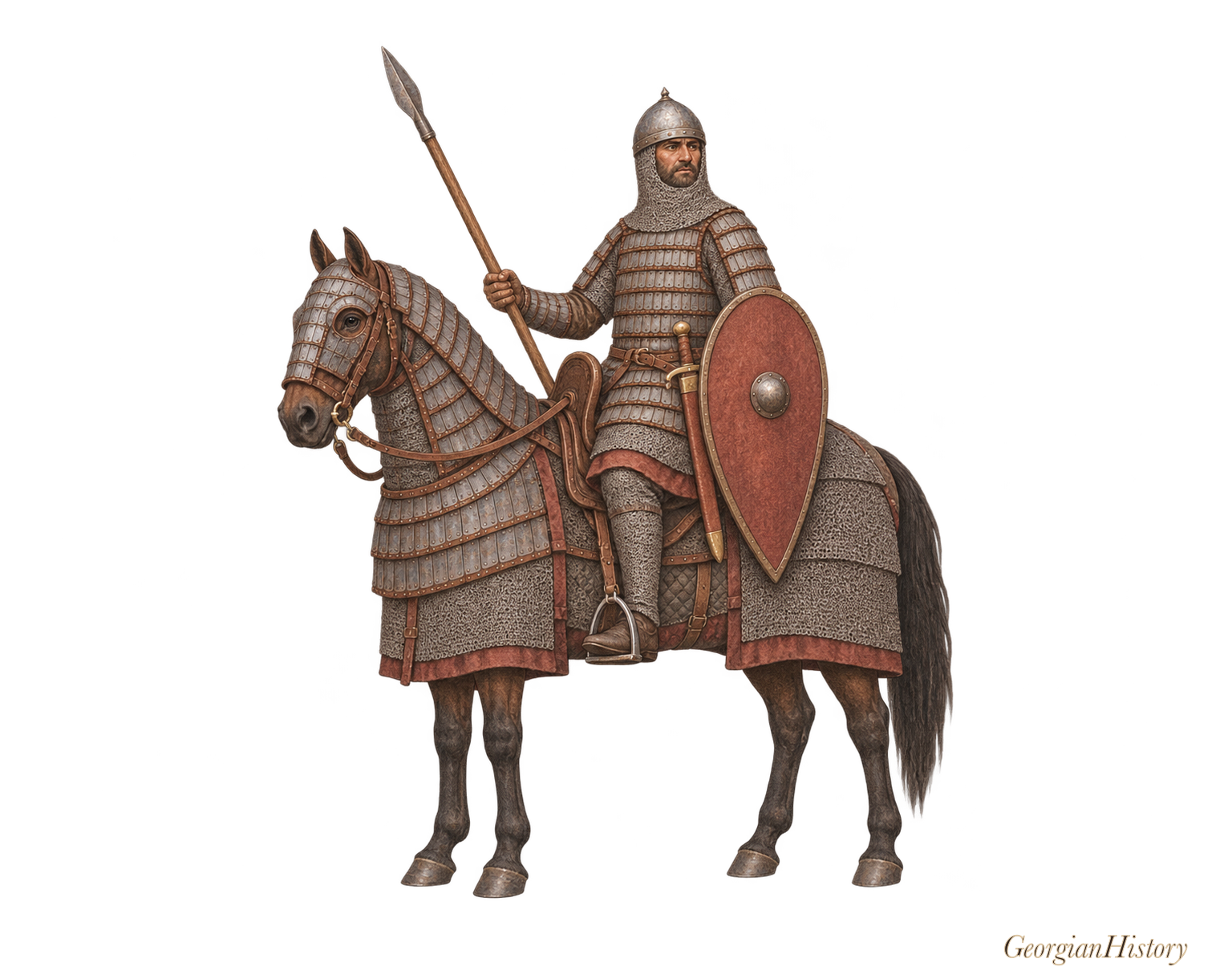
The kingdom's army was experienced and had a tradition of heavy cavalry. Earlier victories did not guarantee success against an opponent who organised campaigns and battles differently. The clash cannot be explained solely by the courage of the two sides or by a striking comparison of troop numbers.
Between raid and conquest
In 1225, Jalal al-Din, the Khwarazmshah who had also fought the Mongols, defeated the Georgian forces at Garni. In 1226 he captured Tbilisi. He was a separate adversary with an army of his own, and his invasions weakened the country further.
The full-scale Mongol offensive in the Caucasus began in 1235–1236. By then, the kingdom had already suffered heavy losses. The conquest affected both Georgian lands and the Armenian territories that formed part of the kingdom's political system.
Rule through the local nobility
The Mongols did not replace all existing institutions at once. They used local rulers and aristocrats, incorporating them into their own system of subordination. A royal title or princely house could therefore survive without retaining its independence.
With the emergence of the Ilkhanate in the 1250s, the centre of supreme authority for much of the Caucasus lay further south. Georgia entered a period in which the decisions of local rulers depended on their relations with a much larger empire.
The passage from the strength of Tamar's reign to dependence took decades. Understanding it requires tracing the succession of setbacks and the ways in which war altered what the king, the nobility and the population could do.