Dmanisi and the Earliest Humans of the Caucasus
Beneath the ruins of a medieval town, archaeologists found traces of life from long before kingdoms and written chronicles.
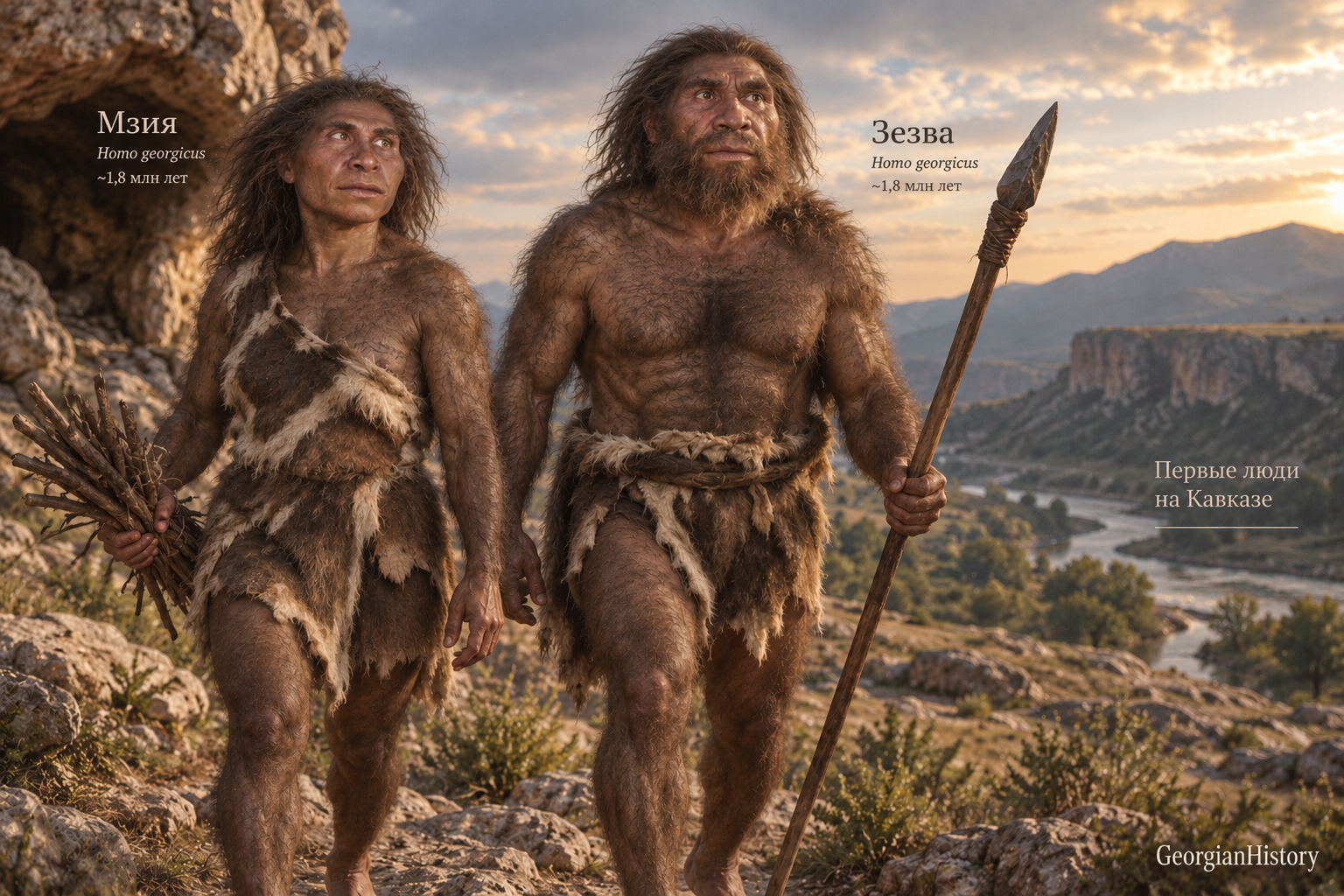
 Dmanisi lies in southern Georgia. The site was long known as a medieval town with a fortress and churches. When excavations reached below those layers, they revealed an incomparably older history: stone tools, animal bones and the remains of early members of the genus Homo.
The finds date to approximately 1.8 million years ago. They form one of the most important bodies of evidence for the early human presence outside Africa. Dmanisi shows that dispersal was already under way at a very early stage in human evolution.
Why the remains matter
Several skulls and other skeletal fragments have been found at Dmanisi. They offer a rare opportunity to study differences among people who lived in the same area at roughly the same time. Comparing their anatomy prompted a wide-ranging debate about diversity in early Homo and how its species should be distinguished.
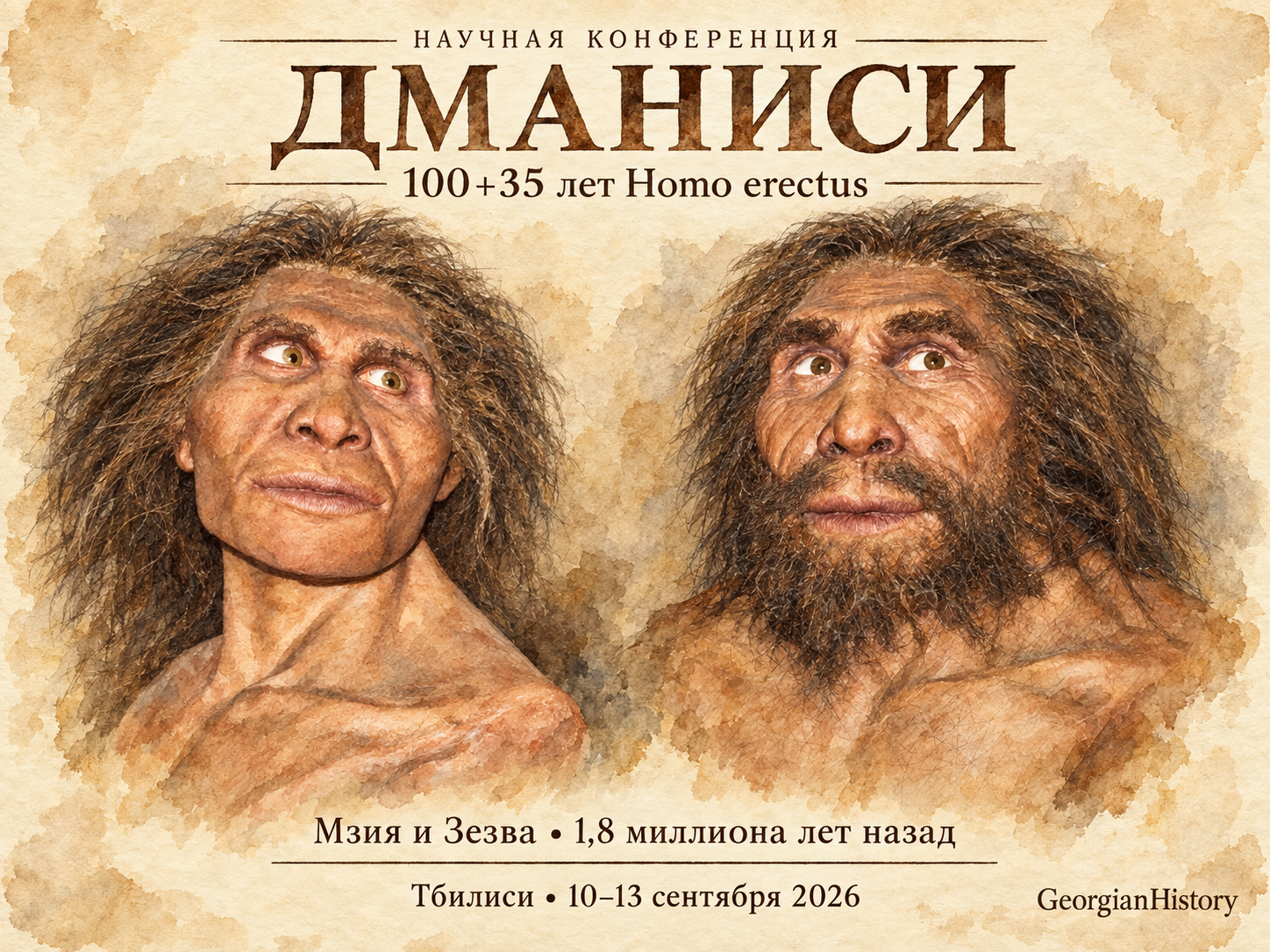
Dating, the position of tools and bones in the layers, and traces of the ancient environment help researchers reconstruct the broader picture. The bones cannot reliably tell us individual names, speech or details of people's lives. The familiar names Mzia and Zezva refer to figures used to tell Dmanisi's story, rather than historically identified individuals.
That is where the power of the discovery lies. It offers no ready-made legend, but it changes the scale of the story. The history of the territory of present-day Georgia does not begin with chronicles. It reaches into the distant past, where every stone flake and fragment of bone becomes evidence.
Can a bone tell us about care?
Skull D3444 belonged to a person who lost almost all their teeth long before death. Changes to the jaw show that the person continued to live after losing them. The Smithsonian Institution considers the find possible early evidence of assistance from the group.
This is an interpretation of the remains, rather than a direct observation of ancient behaviour. The remains cannot establish who helped this person or how their food was prepared. The find itself invites discussion of the social life of early Homo alongside its anatomy.